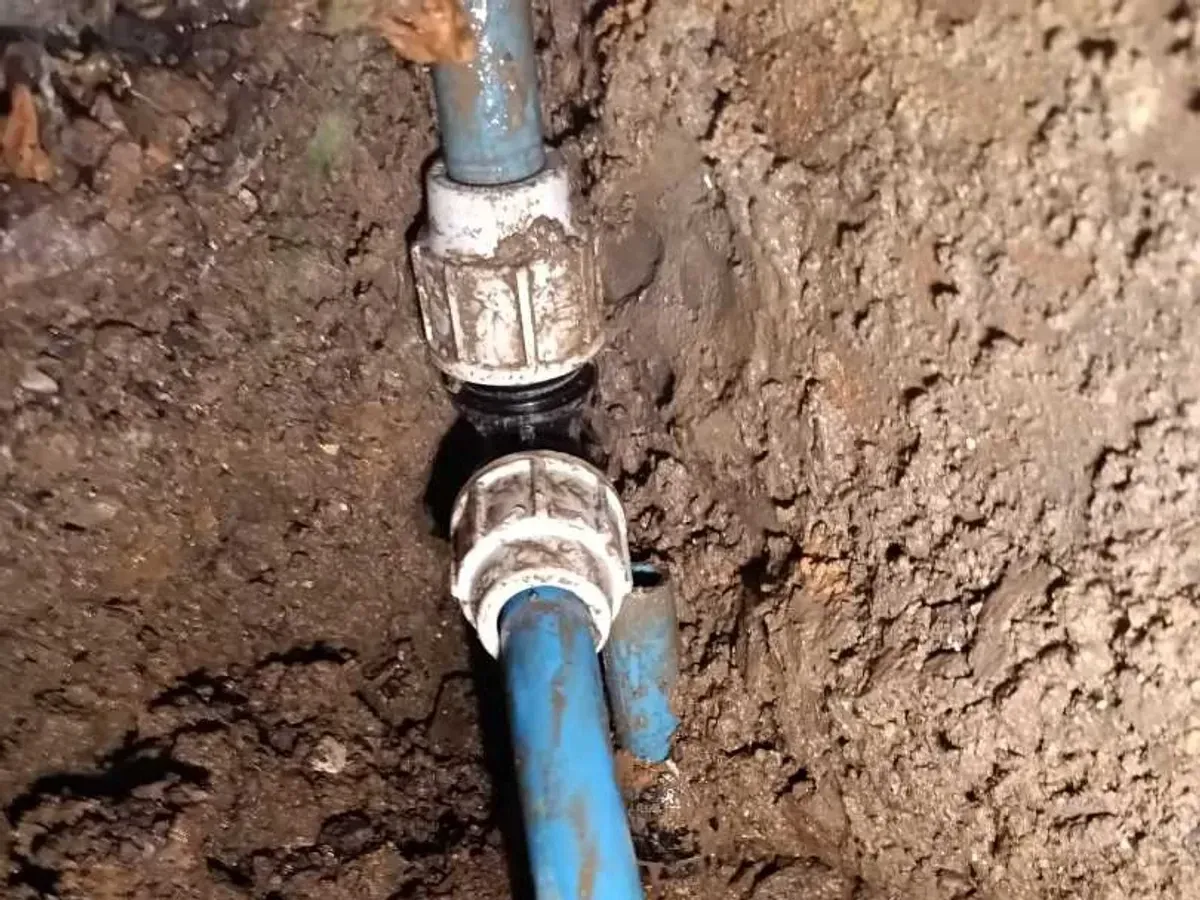
A heating leak beneath the bathroom floor
The heating lost around one bar every twelve hours. Tracer gas led to a failed fitting beneath the bathroom floor.
Damp patches, a rising water bill or a boiler losing pressure? ADI’s engineers trace hidden leaks beneath floors, behind walls and outside your home, so repairs can start in the right place.
Pick a part of the house, from the supply pipe under the driveway to the shower upstairs, to see what a leak there looks like and how it is found.
What you notice. An unusually high water bill, a wet patch in the garden or a meter that keeps moving when nothing is using water can point to the buried supply pipe.
How it is found. Acoustic listening, leak-noise correlation and tracer gas help trace the underground pipe and narrow down the leak before access is agreed.
How we investigate supply pipe and gardenWhat you notice. The heating needs topping up, a patch of floor stays damp or warm, or grout and skirting boards begin to discolour. The pipe may be buried in screed.
How it is found. The engineer tests individual loops, then combines thermal imaging, acoustics and tracer gas as appropriate to locate the loss.
How we investigate underfloor heatingWhat you notice. A spreading ceiling stain, peeling paint or damp around a skirting board may be the first sign of a hot or cold supply leaking out of sight.
How it is found. Moisture readings map the affected area. Pressure tests separate the supplies, and thermal imaging or a small inspection camera helps follow the evidence.
How we investigate walls and ceilingsWhat you notice. Water may appear only when the shower runs. Loose tiles, a damp ceiling below or moisture around the bath and toilet can have several different causes.
How it is found. The supplies, waste connections and surrounding seals are checked separately, using moisture readings, controlled water or dye tests and camera inspection where needed.
How we investigate showers and bathroomsWhat you notice. Repeatedly topping up the boiler, damp beside a radiator or a warm patch on a floor can indicate a heating leak. A boiler fault can cause pressure loss too.
How it is found. Testing establishes whether water is escaping from the heating circuit. Thermal imaging, tracer gas and acoustic equipment then help locate a concealed pipe leak.
How we investigate boiler and radiatorsWhat you notice. A stain that returns after rain, damp around a window or water below a balcony can indicate a defect in the building rather than a supply pipe.
How it is found. The engineer follows the moisture and investigates the accessible roof or structure with equipment suited to it. ADI locates and reports these faults for the appropriate repair trade.
How we investigate roofs and rainwaterADI’s engineers combine these seven methods to locate hidden leaks before opening a floor, wall or driveway.
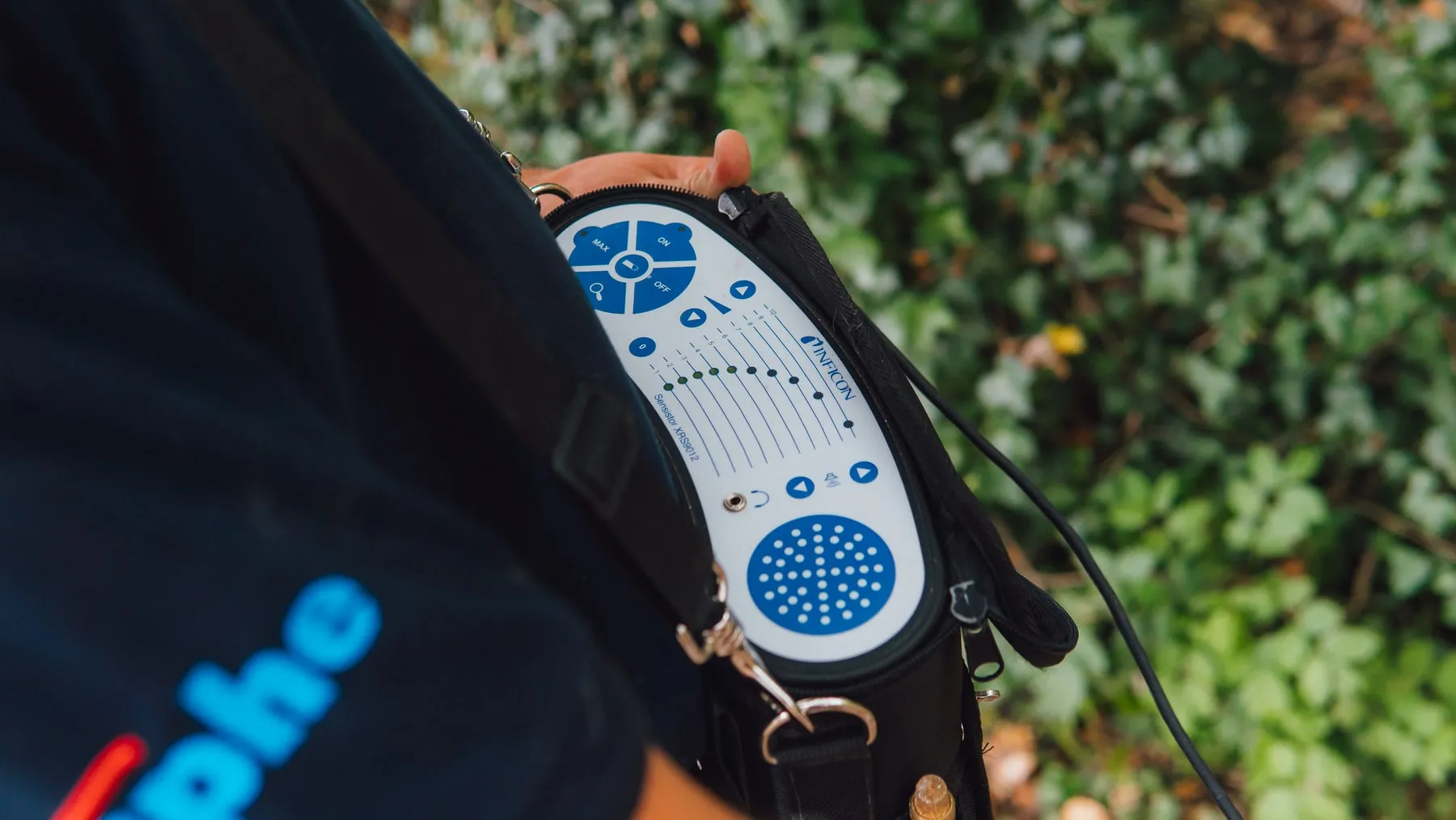
A specialist gas mixture is introduced into an isolated pipe. Gas escaping at the leak is detected with a sensitive probe at the surface.
In your home: Finding hidden leaks beneath floors, paths and gardens, including plastic pipework.
Detects tracer gas introduced into water pipes to locate hidden leaks.
Ground microphones and listening devices pick up the sound of water escaping under pressure. Readings along the pipe help narrow the search.
In your home: Checking a buried supply pipe or a concealed pipe that is making leak noise.
Listens for water escaping from buried or concealed pipes.
Sensors listen at two points on a pipe. The difference in when the sound reaches each sensor helps calculate the leak position.
In your home: Investigating a longer supply run where the pipe route and access points are known.
Compares leak sounds at two points to estimate where water is escaping.
The camera records surface temperature differences. These can reveal the route of warm pipes or an unusual temperature pattern that needs further investigation.
In your home: Tracing heating loops and checking floors and ceilings. It does not see through walls or prove a leak on its own.
Shows surface temperature patterns to guide checks; it cannot confirm a leak alone.
A small camera on a flexible cable lets the engineer inspect an accessible void through a small opening.
In your home: Looking behind bath panels, beneath floors or into ceiling voids without removing a whole surface.
A small camera checks accessible spaces behind panels and beneath floors.
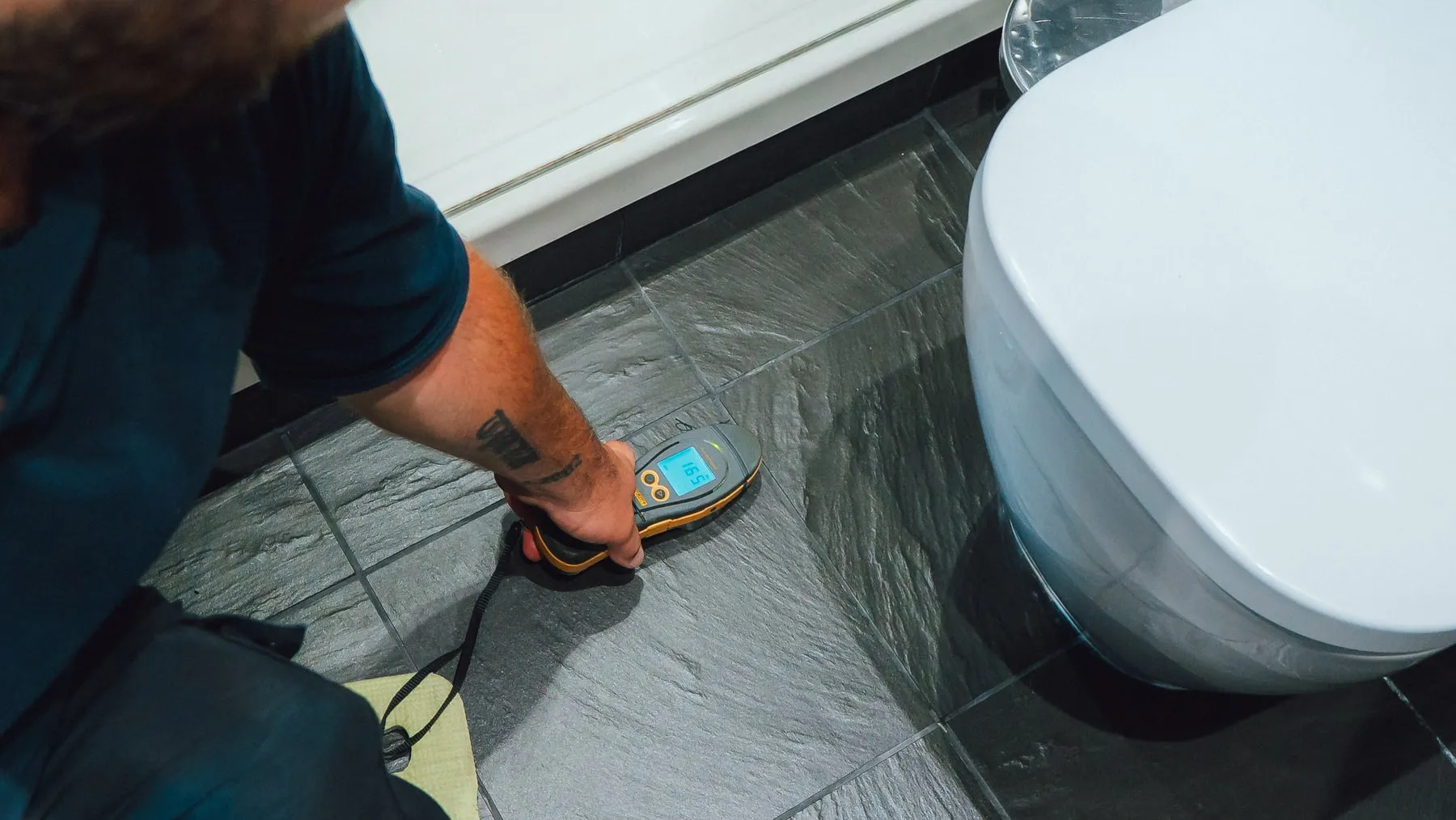
Moisture meters compare readings across walls and floors. The pattern helps establish how far water has spread and where to investigate next.
In your home: Following a ceiling stain, checking bathroom flooring or assessing damp around concealed pipework.
Maps damp across walls and floors to guide the search.
An isolated pipe or circuit is tested for pressure loss. Testing individual sections helps distinguish heating leaks from hot and cold supply leaks.
In your home: Narrowing down the affected circuit and checking pipework again after a repair.
Tests separate pipe sections to find which circuit is losing pressure.
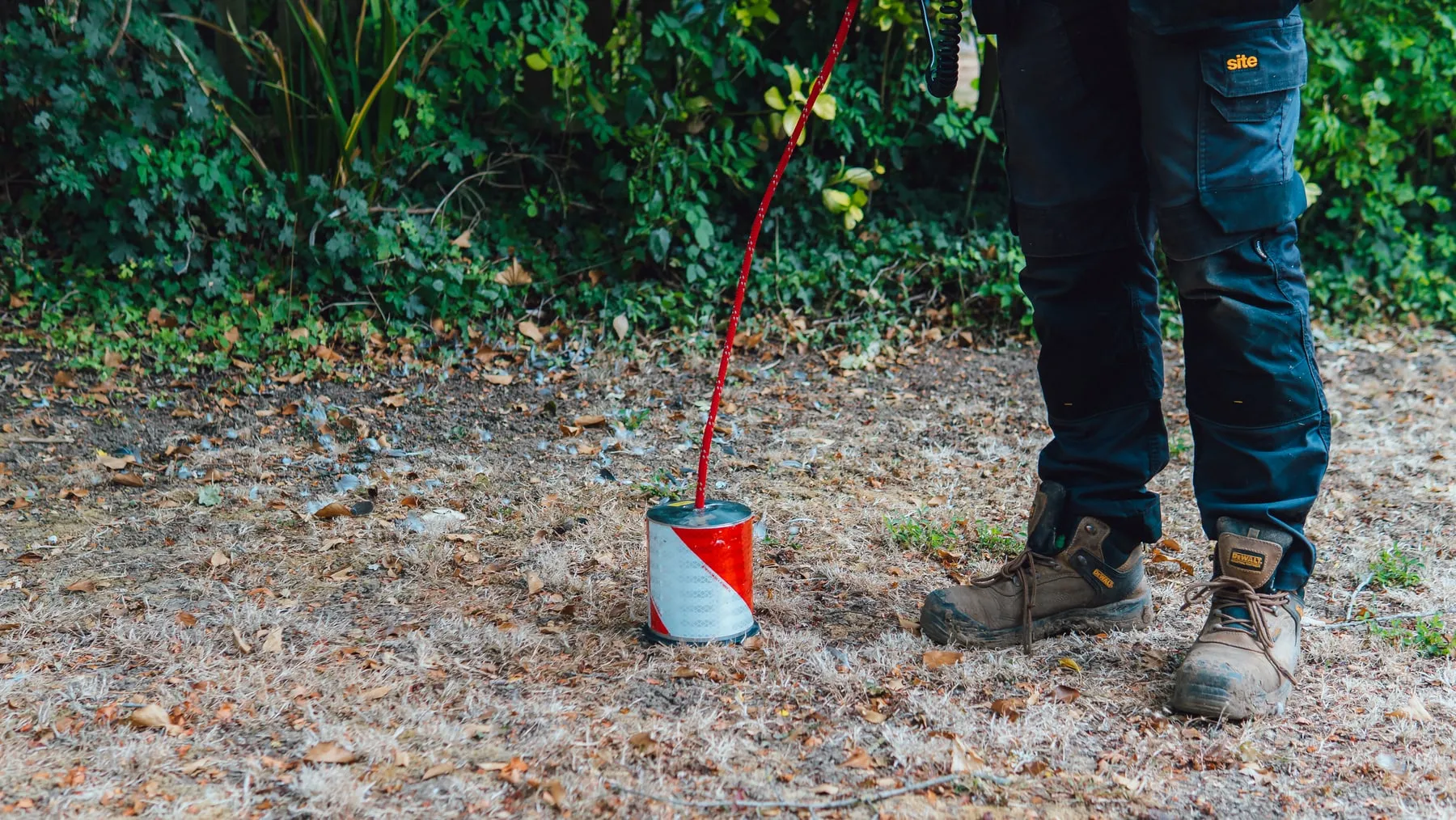
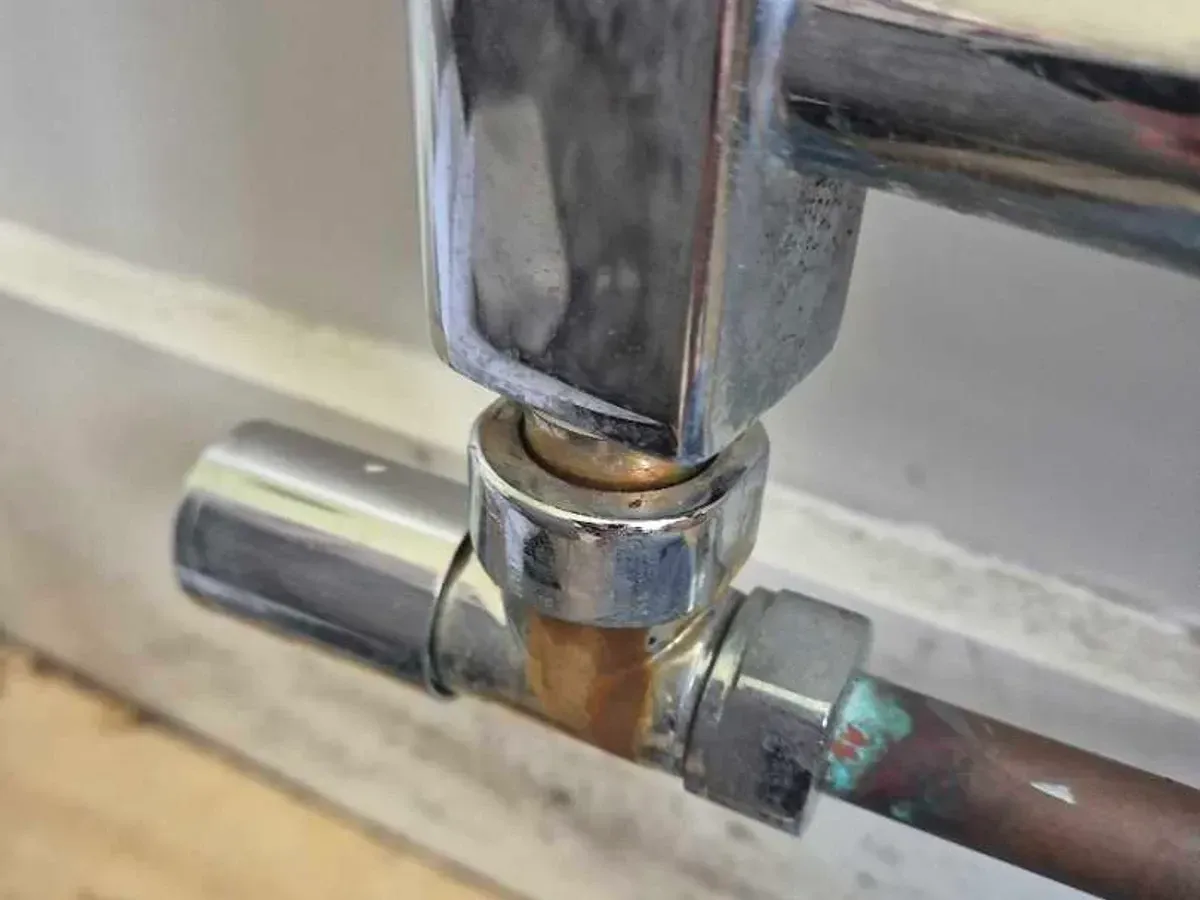
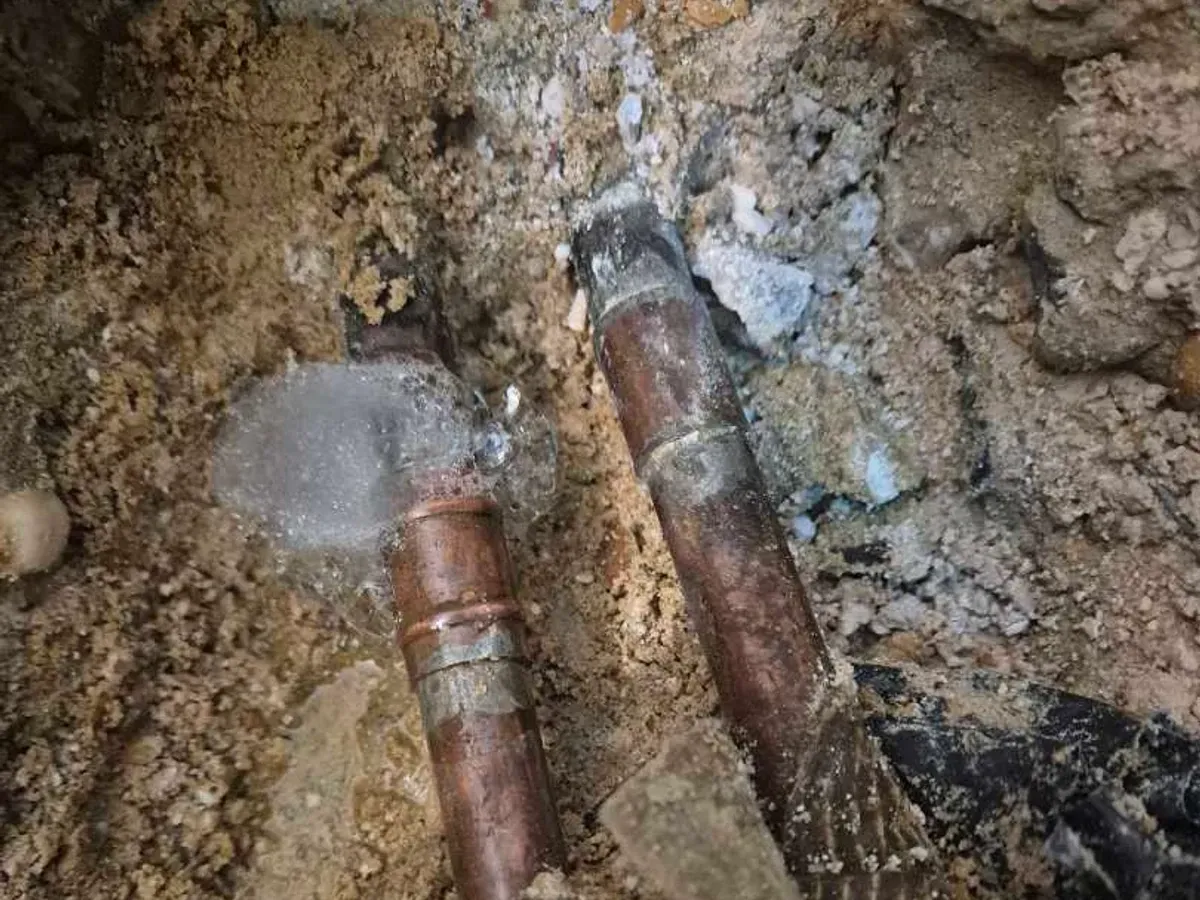
A leaking heating fitting, a flooded basement and a towel radiator valve. See how ADI investigated each problem and checked the repair.
The heating lost around one bar every twelve hours. Tracer gas led to a failed fitting beneath the bathroom floor.
Call with the postcode and what you have noticed: a water bill, a ceiling stain or falling boiler pressure. The office team explains the appropriate investigation, price and availability.
Make sure the engineer can reach the affected rooms, stopcock, meter and heating controls. For flats or shared supplies, access to a neighbouring property may need arranging too.
Point out where the damp first appeared, any recent plumbing work and what changes when you use the water or heating. Photos of an intermittent leak are useful.
The engineer selects the tests for your property. Pressure testing, thermal imaging, acoustics, tracer gas and camera inspection build up the evidence before opening-up is discussed.
ADI provides the findings with photographs and recommendations. You can share the report with your insurer, landlord or repair contractor.
Suitable pipework repairs can be quoted separately and carried out where practical. Roof and structural faults are reported for a roofer or the relevant trade.


Read the full review“Amazing service 10/10 Steven Turned up on time, smart, polite and very professional. Would recommend to friends and family”
“He arrived early, and managed to track down a leak in the bathroom that was making its way through into the kitchen.”
Review excerpt
Read the full review
Read the full review“James found the problem fairly quickly and mended the leak he was also very efficient”
“ADI’s response was positive and fast, from the person I spoke with, Lauren, who listened, understood and delivered.”
Review excerpt
Read the full review
Residential Leak Detection, a specialist service from ADI Leak Detection. ADI began in 2011 and has 25 engineers working across England, Scotland and Wales, supported by its office team in High Wycombe.
The investigation starts with non-invasive methods such as thermal imaging, acoustics, tracer gas and moisture readings. These help narrow the search before any opening is agreed. Some faults still need access to confirm or repair them, so zero damage cannot be guaranteed.
Some policies include trace and access cover for finding and exposing a hidden leak. Cover, excesses and approval requirements vary. Speak to your insurer before booking. ADI provides a written report with photographs to support your enquiry or claim; your insurer decides what is covered.
Call with your postcode for current availability. ADI has 25 leak investigation engineers covering England, Scotland and Wales. The office team confirms the appointment and what is included before you book.
Suitable plumbing, heating and supply pipe repairs can be quoted separately after the fault is located. Roof and structural repairs, boiler repairs, tiling and decorating are outside ADI’s repair service. Ask the office about the likely scope for your property.
No. A fault in the boiler or one of its components can also cause pressure loss. The investigation helps distinguish an appliance problem from water escaping through the heating pipework. ADI investigates pipework leaks and does not provide boiler repair services.
Yes. Tell the office if you rent, if a managing agent is involved or if the water supply is shared. Arrange the appropriate booking authority and access beforehand. The engineer may need to enter a neighbouring flat to follow the leak.
No. ADI’s guarantee has detailed eligibility conditions, including the leak type, property, minimum loss and instructions for access and repair. Heating, shared mains, structural leaks, drainage and pools are among the exclusions. Ask the office to confirm eligibility and provide the full booking terms before agreeing a visit.
Tell the team your postcode, the type of property and what you have noticed. They will explain the survey, confirm the price and current appointments, and arrange an engineer.